

That was the quick answer
Want the full picture, or help with your own plans?
General information from a recorded webinar, not legal advice for your situation.
What is supported decision-making?
Short answer
Supported decision-making means using people you trust to help you understand your options, while you still make the decision yourself. Most of us already do it when we ask family or friends for advice. For vulnerable adults, it can be a less restrictive alternative to guardianship.
Key points
- You keep the final say.
- Your supporters help you understand choices.
- It is a less restrictive option than guardianship.
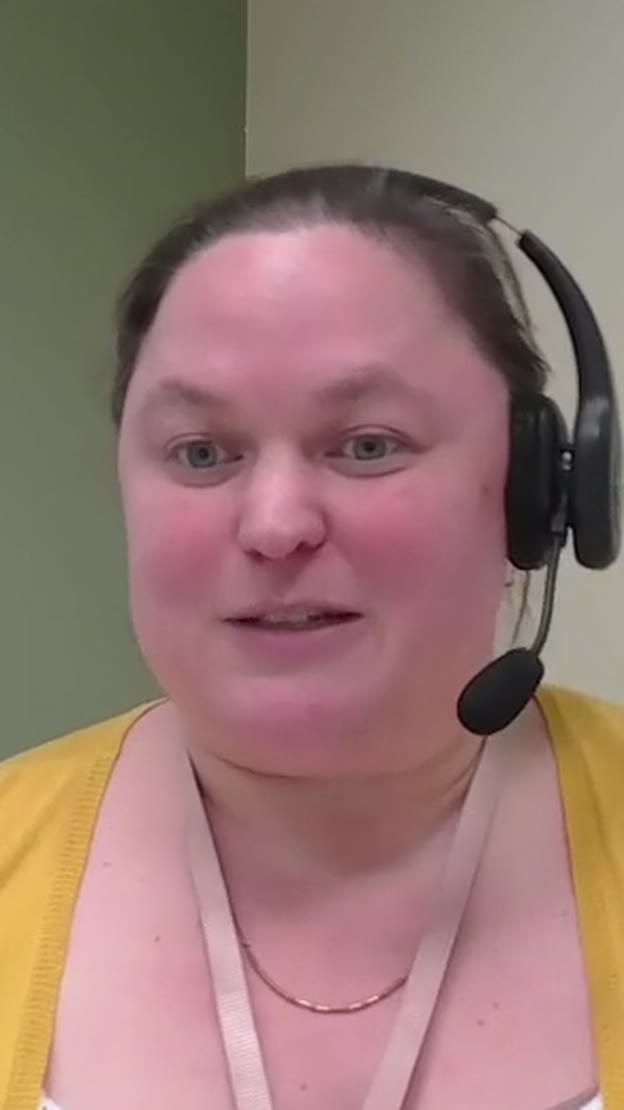
Katie HestnessEducation Navigator, Lutheran Social Service of Minnesota · Guest presenter
Read this part of the transcript
What do you think of the flight? Is this a reasonable cost? What do you think of that? In practice, that’s essentially supported decision-making, me utilizing the people that I trust in my life and the people that I value the opinions of to help inform me so that I can make a decision for myself. Today, we’re talking about support decision-making as the least restrictive alternative to guardianship and conservatorship that again allows the person to retain that autonomy to make decisions for themselves with the supports available to them, whether informal supports like family and friends or formal supports like social workers, group home staff, teachers, anything like that, that they might have in their life.
Created automatically from the recording. Full transcript on the webinar page.
Related: Guardianships & ConservatorshipsSpecial Needs Planning All quick answers
Questions about your own plans?
Call (952) 925-4147 or send a message.
More quick answers
See all quick answers →
 Full webinar
Supported Decision-Making: Less Restrictive Alternatives to Guardianship
Watch