October is National Stamp Collecting Month
The Stamp of Approval
Stamp collecting is one of the most popular hobbies in the world. But what brings us joy during our lifetime can often cause headaches for our loved ones after we die. While we may spend our life collecting thimbles, our loved ones may be stuck trying to figure out what to do with them after we die.
Professional “purger” Sonja Birkeland of The Pack Up Artist has made a career of packing up homes for moves, downsizing, organizing, and hauling away other people’s stuff. Based upon her experience, Sonja provides these helpful tips in dealing with a deceased loved one’s collection:
Rarity
Before trying to put a price on a collection, family members should determine if the collection or individual items in a collection are rare. If a collection lacks any rare, valuable individual pieces, then the collection as a whole probably has little monetary value. There are plenty of highly collectible items that are not rare. For example, certain Christmas decorations are highly collectible because each year new figurines are released, but the figurines are not rare so have little to no monetary value.
Quality
Even if a collection or individual piece is rare, the condition and quality determine its monetary value. For example, a first edition book may be rare and valuable, but if the condition is poor (moldy, faded, torn, etc.), it has little monetary value. With antique furniture, the quality of the piece determines its value in addition to its rarity.
Popularity
Confirming that a collection is rare and in good shape doesn’t necessarily determine monetary value if there are no buyers who want to purchase it. Trends come and go. Mid-century modern furniture is popular right now and fetches higher prices compared to older antique pieces.
Sentimental Value
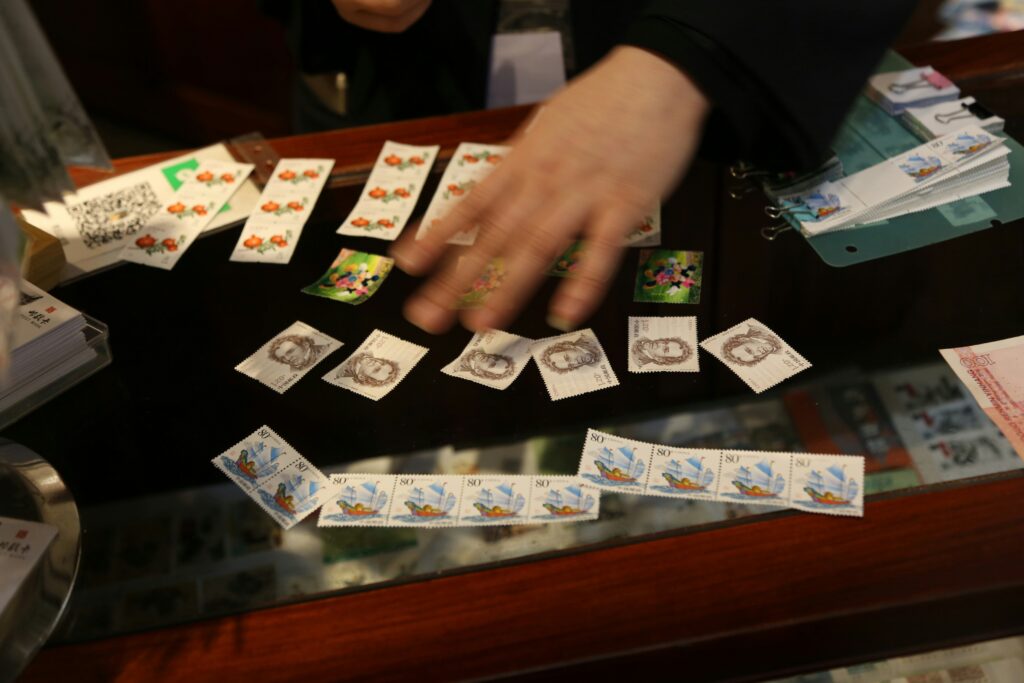
Some collections have no monetary value. A beloved stamp collection may not be worth anything more than sentimental value. In situations where a loved one leaves behind a collection that no one wants and has no value, Sonja recommends dividing the collection into individual pieces to distribute to family members. For example, china sets can be divided into more manageable place settings. Instead of asking one family member to take a whole set with eighteen place settings, divide the serving dishes amongst family members or divide place settings into sets of four to preserve the memory, but not overwhelm the takers with things they don’t need (or want).
Donation
Collections with no monetary or sentimental value may still hold interest for certain organizations. Would the local historical society be interested in old photographs or documents? Could an organization make good use of a book collection? Is there someone who could repurpose fur coats into something new? Sonja is a fierce advocate for recycling and reusing items wherever possible. Be creative in repurposing collections if no one in your family wants to keep the items.