

Estate Planning
Estate planning involves determining where and how you will live if you become incapacitated, who will manage your assets if you are unable to do so, and what will happen to your assets after your death.
An estate plan outlines the care of your minor children and defines how they will receive their inheritance.
Creating an estate plan is essential for:
- Naming the individuals who will inherit your belongings
- Appointing guardians for your children
- Choosing someone to make medical and financial decisions on your behalf if you are unable to
Estate planning ultimately provides a legacy for you and your loved ones after you are gone.


Who is an Estate Plan for?
Estate planning isn’t just for the wealthy. Everyone over the age of eighteen needs an estate plan. An estate plan is a plan for you both during your life, during any period of incapacity, and after your death.
- Everyone – not just the wealthy.
- Parents – to name guardians and manage inheritance for children.
- Business Owners – to plan for succession and continuity.
- Blended Families – to prevent legal battles between current spouses and children from previous relationships.
- People with Specific Wishes – if you want certain items to go to certain people or charitable organizations.

Deliverables
Estate planning involves reviewing your assets and determining where you would like them to go after your death, as well as planning around and utilizing strategies to avoid or minimize estate tax.
Together, we can work on creating:
- Revocable Trusts
- Wills
- Irrevocable Trusts
- Powers of Attorney
- Health Care Directives
- Funding Assistance
At Everbright Legacy Law, we don’t just draft documents. We get to know you and your family, identify your goals and aspirations, and prepare documents that reflect your legacy. Once drafted, we help you implement your plan, through funding assistance and ongoing legacy care where we meet annually to perform maintenance and touch up the plan we’ve carefully created.
Our Journey Together
1. Discovery & Goal Setting

You will meet with your attorney so they can get to know you, your family, your assets and your goals. Your attorney will work with you to educate you on the different estate planning options that are available to you, and inform you about the pros and cons of each choice. Together, you will determine how your goals can be achieved and what the best estate planning option is for your situation.
2. Document Creation & Due Diligence

Following your initial meeting the Firm will work to gather additional information on your assets and to create a plan to ensure that nothing you own slips through the cracks. Your documents will be drafted and provided to you for review so you can confirm your wishes are specifically outlined. Your attorney will meet with you to review the documents you are signing and ensure that all your questions are answered.
3. Signing & Upkeep

Following your signing, our Firm may assist you in changing the titles and beneficiary designations on your assets to ensure your estate will pass according to plan. We check the details so you get the results.
Ongoing Legal Services
Your family, assets, and health can change over time, making it essential to review your estate plan when important changes occur. You should consider contacting your attorney in the following situations:
Death
This refers to the passing of a family member or an executor named in your estate plan.
Divorce
If you or one of your heirs gets divorced, it’s crucial to review your plan. You want to ensure that you do not leave anything to an ex-spouse or name them as an executor in your plan.
Diagnosis
A serious health diagnosis may require a review of additional considerations, such as securing long-term care and implementing asset preservation strategies.
Decade
As time progresses, it is advisable to review your estate plan regularly—not just every ten years. Frequent check-ins can help ensure that your plan remains up-to-date.
Distance
If you move to another state or purchase property outside your current jurisdiction, your estate plan should be updated. Different states have their own laws that may affect your estate plan.
We offer annual meetings with your attorney to review your estate plan and determine if any adjustments are necessary.
Your Dedicated Guardianship
&
Conservatorship Team
FOUNDER, ATTORNEY AT LAW

Lauren focuses on estate planning, long-term care planning, special needs planning, and probate and trust administrations.
FOUNDER, ATTORNEY AT LAW

Sarah focuses on estate planning, wills, estate and trust administration, and guardianships.
ATTORNEY AT LAW
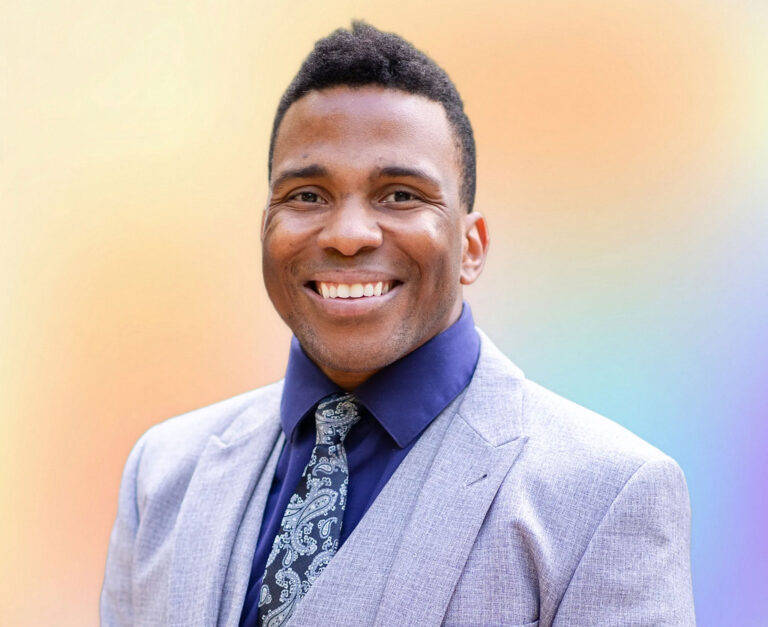
Joshua focuses on estate planning, long-term care planning, and probate and trust administrations.
Tanya Peterson
ESTATE PLANNING PARALEGAL

Michelle Zavala
LEGAL ASSISTANT

Kelly Thomas
LEGAL ASSISTANT

Frequently
Asked Questions
1. What is estate planning, and why is it important?
Estate planning is the legal process of preparing for the management and distribution of your assets after death or incapacitation. A proper estate plan allows you to:
- Control who inherits your property
- Appoint guardians for minor children
- Avoid probate court
- Reduce estate taxes
- Ensure your healthcare and financial wishes are followed
It’s essential for individuals and families of all sizes — not just those with large estates.
2. Who needs an estate plan?
If you own property, have children, or want to ensure your wishes are respected in the event of illness or death, you need an estate plan. Estate planning is especially important if you:
- Are a parent of minor children
- Are married or in a blended family
- Own real estate or a business
- Have loved ones with special needs
- Want to avoid family conflict or probate delays
3. What documents are included in a basic estate plan?
A typical estate plan prepared by an estate planning attorney includes:
- Will
- Revocable Living Trust (if appropriate)
- Financial Power of Attorney
- Health Care Directive
- Beneficiary designations review
Trust funding
Each plan is customized to your personal, financial, and family circumstances.
4. What is a revocable living trust, and how does it work?
A revocable living trust is a legal tool used to manage and distribute your assets without going through probate court. Assets placed in the trust during your lifetime can be controlled by you, and seamlessly passed to your beneficiaries upon death.
Benefits include:
- Avoiding probate
- Maintaining privacy
- Planning for incapacity
- Managing assets for minors or vulnerable beneficiaries
5. What happens if I die without a will or estate plan?
If you die without a will (called dying “intestate”), state law decides who receives your property — which may not align with your wishes. Your family could face:
- Lengthy court proceedings
- Higher legal fees
- Unintended distribution of your assets
A personalized estate plan ensures your wishes are honored and your loved ones are protected.
6. How often should I update my estate plan?
You should review and possibly update your estate plan:
- Every 3–5 years
- After major life changes (marriage, divorce, birth, death, move, diagnosis)
- If your financial situation or goals change
Your estate planning attorney can guide you in making timely updates.
7. What is probate, and how can I avoid it?
Probate is the judicial process of distributing a deceased person’s assets. It can be:
- Time-consuming (months to years)
- Costly (court and legal fees)
- Public (open court records)
To avoid probate, many people use a trust, joint ownership, and proper beneficiary designations. An experienced probate attorney can help you develop a strategy that minimizes or eliminates probate entirely.
8. Can I create my own estate plan without a lawyer?
While DIY estate planning tools exist, they often lack the customization and legal validity needed to truly protect your assets and family. A qualified estate planning lawyer ensures that your documents:
- Comply with state laws
- Address unique family situations
- Protect your estate from unintended consequences
9. How do I start the estate planning process?
The first step is scheduling a consultation with an estate planning attorney. During the meeting, we will:
- Review your goals, family, and finances
- Recommend a tailored estate plan
- Guide you through the entire process
At Everbright Legacy Law, we make estate planning simple, supportive, and secure.
The Everbright Way
At Everbright Legacy Law, we take a unique approach to estate planning that sets us apart from traditional firms.
While many simply draft documents and send you on your way, we believe estate planning encompasses much more than paperwork. It’s about protecting your family, honoring your wishes, and ensuring peace of mind for the future.
We’re committed to guiding you through every step of the process. From understanding your goals and family dynamics to preparing comprehensive, Minnesota-compliant documents, we are here to help you fund trusts properly and coordinate beneficiaries. As your life evolves—through births, deaths, divorces, moves, and health changes—we are here to update your plan, making sure it continues to protect what matters most.
Together, we will create an estate plan that fits your unique situation, ensuring your legacy remains secure and your loved ones are safeguarded.