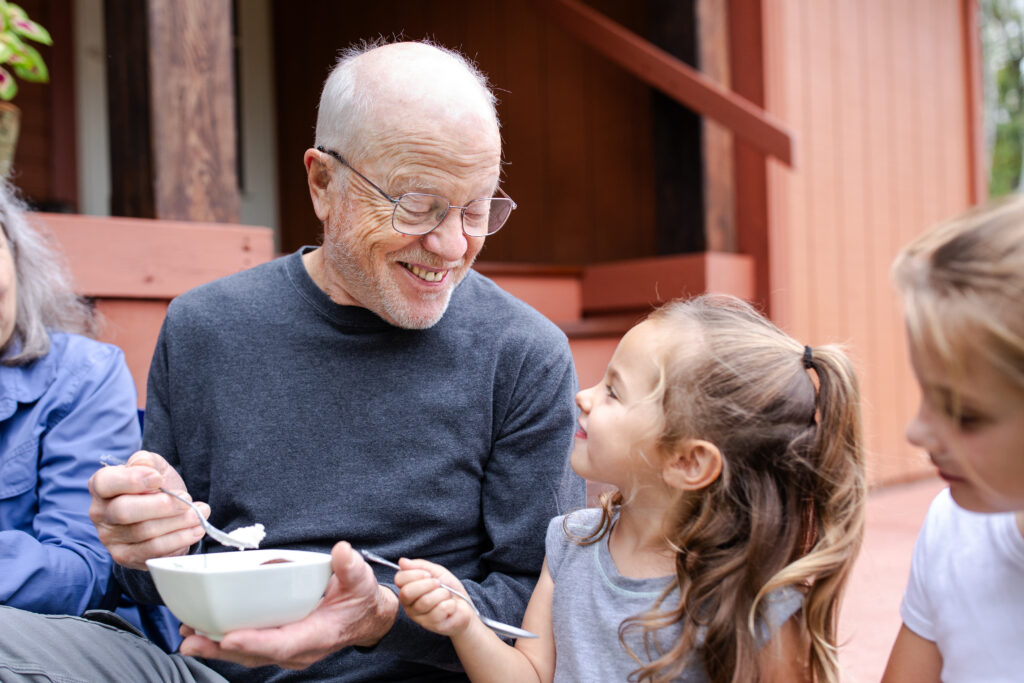
Caring for Our Loved Ones – and Taking Care of Ourselves
Because we are living longer than ever before, we are also seeing a swell in the number of people who are caregivers for their aging loved ones. There are around 15 million individuals in the United States who spend time providing unpaid care to someone with mild cognitive impairment, Alzheimer’s, or another type of condition that affects memory. What’s more, there are 3 million people over the age of 75 who are caregivers for other seniors, helping them with daily tasks such as eating, bathing, and going to the bathroom. On average, these caretakers over age 75 spend 34 hours per week in their role, according to a study conducted by the National Alliance for Caregiving and the AARP Public Policy Institute.

As these statistics suggest, people in the United States invest amazing amounts of time, energy, money, and lost wages in caring for aging loved ones. The work is often more taxing than first anticipated. If you are caring for an aging adult, you must monitor your stress level. Stress affects not only the quality of care you provide, but your well-being, too. Caregivers commonly experience bouts with exhaustion, depression, weight loss or weight gain, and troubles with sleep because they put the needs of their loved one first without attending to their own. Being a caregiver can take such a toll that when one spouse serves as caregiver to the other, the spouse receiving care outlives the caregiving spouse 67% of the time.
Thankfully, there are ways to alleviate some major challenges of providing care. First, be sure to plan. Meet with an Elder Law attorney about Long-term Care Planning. It is best to do so before you or a loved one need care, but no matter what stage you are in, the attorney stands ready to work with you in developing a plan for care and to help you navigate the coinciding financial and personal costs. Speaking with an Elder Law attorney and following through with a Long-term Care Plan will help overcome a second obstacle: managing stress as a caregiver. Remember, it is important for caregivers to care for themselves, too. Do something you enjoy every day, do not skip your doctor appointments, and be okay with asking for and accepting help.